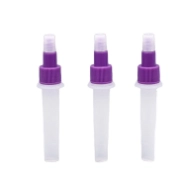

Extraction tubes are among the most fundamental consumables in modern laboratory science. From simple buffer transfer operations to complex multi-step nucleic acid purification protocols, these precision-engineered plastic tubes form the backbone of diagnostic workflows worldwide. Yet despite their ubiquity, many procurement teams and laboratory newcomers lack a comprehensive understanding of the different types, materials, and applications available. This guide provides a definitive overview.
Definition: What Exactly Is an Extraction Tube?
An extraction tube is a disposable laboratory consumable specifically designed to facilitate the isolation, separation, or transfer of target analytes from biological samples. Unlike general-purpose lab tubes (such as microcentrifuge tubes or test tubes), extraction tubes incorporate specialized functional elements — including filter membranes, dropper tips, buffer reservoirs, or spin columns — that enable specific extraction protocols. They are manufactured from medical-grade plastics under stringent quality control to ensure consistency, sterility, and compatibility with downstream analytical instruments.
The 4 Major Types of Extraction Tubes
The extraction tube market can be broadly categorized into four product families, each optimized for distinct laboratory applications:
1. DNA/RNA Extraction Tubes
These are the workhorses of molecular biology laboratories. DNA/RNA extraction tubes typically feature silica membrane spin columns that selectively bind nucleic acids during centrifugation, allowing contaminants (proteins, salts, solvents) to pass through. High-performance variants offer binding capacities of 45–50 µg and are compatible with fragment sizes from 65 bp to 10 kbp. Critical specifications include DNase/RNase-free certification, centrifugation tolerance up to 17,000 rcf, and temperature resistance from -80°C to 120°C.
2. Rapid Test Extraction Tubes
Designed for point-of-care and at-home diagnostic applications, rapid test extraction tubes feature integrated dropper tips for precise specimen delivery onto lateral flow test strips. These tubes must deliver consistent drop volumes (typically 30–50 µL), maintain buffer solution stability, and feature foolproof snap-cap closures that prevent accidental spillage. They are the critical link between specimen collection and immunochromatographic detection in antigen rapid test kits.
3. Clinical Sample Extraction Tubes
Clinical extraction tubes bridge the gap between specimen collection and laboratory analysis. They are used in hospitals, clinics, and field sampling for procedures including nasopharyngeal swab processing, saliva specimen extraction, and tissue homogenization. These tubes emphasize individual sterile packaging, clear volume graduations, and compatibility with standard laboratory centrifuges and automated sample processing systems.
4. Virus Transport Extraction Tubes
Virus transport tubes are specialized containers designed to safely collect, transport, and store viral specimens while maintaining pathogen viability. They typically contain or are compatible with viral transport medium (VTM) and must maintain specimen integrity for 24–48 hours at 2–8°C. Leak-proof design and biohazard-compliant packaging are essential features for regulatory compliance during specimen shipping.
Materials Used in Extraction Tube Manufacturing
- Polypropylene (PP): The most widely used material. Offers excellent chemical resistance, thermal stability, and optical clarity. Autoclavable and compatible with most laboratory solvents.
- Polyethylene (PE): Commonly used for caps and closures. Provides good flexibility and sealing properties.
- Low-Density Polyethylene (LDPE): Preferred for squeeze-bottle dropper tubes. Offers superior flexibility for controlled dispensing.
- Polyethylene Terephthalate (PET): Used in select applications requiring high optical transparency and barrier properties.
- Polycarbonate (PC): Employed when exceptional impact resistance and clarity are required, though less common due to higher cost.
Real-World Applications Across Industries
- Clinical Diagnostics: COVID-19 antigen testing, infectious disease screening, cancer biomarker detection.
- Molecular Biology Research: Gene cloning, PCR template preparation, next-generation sequencing library prep.
- Forensic Science: DNA profiling from crime scene samples, paternity testing, genetic identification.
- Food Safety: Pathogen detection in food processing, GMO screening, allergen testing.
- Veterinary Medicine: Animal disease diagnosis, breeding program genetic screening.
- Environmental Monitoring: Water quality testing, soil microbiome analysis, air quality pathogen detection.
Quality Standards and Certifications
Reputable extraction tube manufacturers maintain ISO 13485 certification for medical device quality management, CE marking for European market compliance, and FDA registration for US distribution. Additional quality benchmarks include dust-free (Class 100,000 or better) manufacturing environments, validated sterilization processes (EO or Gamma), and comprehensive lot-level traceability. When evaluating suppliers, request Certificates of Analysis (CoA) for every lot and inquire about annual third-party audit results.
An extraction tube may seem like a simple plastic component, but it carries the entire weight of diagnostic accuracy on its engineered surfaces.
Need Extraction Tubes for Your Lab?
Get a personalized quote from our team for OEM/ODM service, custom specifications, and bulk pricing.