In modern clinical diagnostics and molecular biology laboratories, the terms 'extraction tube' and 'collection tube' are often used interchangeably — but they serve fundamentally different purposes. Choosing the wrong tube type can compromise sample integrity, introduce contamination, and ultimately lead to inaccurate test results. This guide breaks down the key differences to help laboratory managers, procurement teams, and research scientists make informed sourcing decisions.
What Is an Extraction Tube?
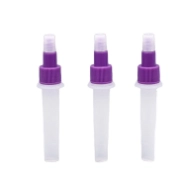
An extraction tube is a precision-engineered consumable designed specifically for isolating target analytes — such as DNA, RNA, proteins, or antigens — from biological samples. These tubes typically feature integrated components like filter membranes, buffer chambers, or dropper tips that facilitate the separation and purification process. Made from medical-grade polypropylene (PP) or polyethylene (PE), extraction tubes are manufactured under strict ISO 13485 standards and often undergo EO or gamma sterilization.
What Is a Collection Tube?
A collection tube, by contrast, is primarily designed for gathering, storing, and transporting biological specimens. Common examples include vacuum blood collection tubes (vacutainers), urine specimen containers, and swab transport tubes. While collection tubes must maintain sample viability and prevent leakage, they typically lack the specialized internal mechanisms — such as silica membranes or filtration layers — found in extraction tubes.
Head-to-Head Comparison: 7 Key Differences
- Primary Function: Extraction tubes isolate and purify target molecules; collection tubes gather and preserve whole specimens.
- Internal Components: Extraction tubes may include filter membranes (4–12 layers), spin columns, or buffer reservoirs. Collection tubes are typically empty or contain preservative additives.
- Material Requirements: Extraction tubes demand DNase/RNase-free, medical-grade PP/PE. Collection tubes may use glass, PET, or standard plastics.
- Sterilization: Extraction tubes almost always require EO or gamma sterilization. Collection tubes may use steam autoclaving or chemical sterilization.
- Downstream Use: Extraction tubes feed directly into PCR, sequencing, or immunoassay workflows. Collection tubes precede the extraction step.
- Pressure Tolerance: Extraction tubes are rated for high centrifugal force (up to 17,000 rcf). Collection tubes have lower centrifugation requirements.
- Regulatory Standards: Both require ISO compliance, but extraction tubes used in IVD (in-vitro diagnostics) must also meet CE/FDA marking requirements.
When to Use Each Type
If your workflow involves point-of-care antigen testing, DNA/RNA purification, or any procedure requiring analyte separation from a biological matrix, you need extraction tubes. If your primary need is specimen collection at the bedside, field sampling, or transport to a central lab, collection tubes are the appropriate choice. Many clinical workflows actually require both: a collection tube for initial sampling, followed by an extraction tube for downstream analysis.
In molecular diagnostics, the extraction tube is where the science happens — it's the bridge between raw specimen and actionable test result.
Sourcing Considerations for B2B Buyers
When procuring extraction tubes at scale, B2B buyers should evaluate suppliers on five critical dimensions: material certifications (ISO 13485, CE, FDA), sterilization validation documentation, minimum order quantities (MOQ), lead time reliability, and customization capabilities — including custom OEM branding, specialized filter configurations, and tailored packaging solutions. A vertically integrated manufacturer who controls the molding, sterilization, and QC process end-to-end will deliver the most consistent product quality.
Need Extraction Tubes for Your Lab?
Get a personalized quote from our team for OEM/ODM service, custom specifications, and bulk pricing.