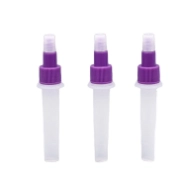

Selecting the right extraction tube is one of the most impactful decisions a laboratory can make. The wrong tube can lead to poor analyte recovery, cross-contamination, or equipment incompatibility — all of which translate into wasted reagents, delayed results, and increased per-test costs. Whether you're setting up a new molecular diagnostics lab or optimizing an existing extraction workflow, this guide walks you through every factor that matters.
Step 1: Define Your Application
The first and most critical step is identifying your primary extraction target. DNA extraction, RNA isolation, antigen testing, and viral transport each impose different requirements on tube design, materials, and internal components. For nucleic acid work, you'll need tubes with silica membrane spin columns rated for high-speed centrifugation. For rapid antigen testing, dropper-tip tubes with precise drop volume control (typically 30–50 µL per drop) are essential.
- DNA/RNA Purification: Requires spin column tubes with silica membranes, rated for 12,000–17,000 rcf centrifugation.
- Rapid Antigen Diagnostics: Needs dropper-tip extraction tubes with buffer chambers and leak-proof snap caps.
- Clinical Specimen Processing: Demands sterile, individually wrapped tubes with clear graduations for precise volume measurement.
- Virus Transport & Storage: Requires tubes compatible with transport medium, maintaining viability at 2–8°C for up to 48 hours.
Step 2: Choose the Right Material
Medical-grade polypropylene (PP) is the gold standard for most extraction applications due to its excellent chemical resistance, thermal stability (-80°C to 120°C), and optical clarity. For applications requiring flexibility — such as squeeze-drop dispensing in rapid test kits — low-density polyethylene (LDPE) offers superior pliability while maintaining medical-grade safety. PET and PVC options exist for specialized applications but are less common in extraction workflows.
Step 3: Evaluate Sterilization Requirements
Sterilization is non-negotiable for any tube used in clinical diagnostics or nucleic acid extraction. The two dominant methods are Ethylene Oxide (EO) sterilization and Gamma irradiation. EO is preferred for heat-sensitive plastic components and provides thorough penetration, while Gamma offers faster processing and no chemical residue. Your choice should align with your downstream assay's sensitivity profile — some PCR protocols are sensitive to EO residuals.
Step 4: Assess Certifications and Compliance
- ISO 13485: Quality management system for medical device manufacturing — the baseline requirement.
- CE Marking: Required for distribution in the European Union and indicates conformity with EU safety standards.
- FDA Registration: Necessary for products entering the United States market, particularly IVD consumables.
- ISO 9001: General quality management certification — useful but not sufficient alone for medical consumables.
- DNase/RNase-Free Certification: Critical for nucleic acid extraction tubes to prevent sample degradation.
Step 5: Consider OEM Customization
For diagnostic kit manufacturers and large laboratory networks, OEM customization can provide significant competitive advantages. Leading extraction tube manufacturers offer custom branding (logo printing on tube body and packaging), proprietary cap colors for product line differentiation, custom filter membrane configurations (4, 6, 8, or 12 layers), and tailored packaging formats (individual wrapping, semi-knock-down, or rack-loaded). When evaluating OEM partners, prioritize manufacturers with in-house mold design capability — this dramatically reduces lead times for custom specifications.
The best extraction tube is invisible in your workflow — it just works, every time, with zero variability between lots.
Cost Optimization Strategies
B2B buyers can optimize extraction tube costs through several strategies: consolidating SKUs to reduce sourcing complexity, negotiating annual volume agreements with tiered pricing, requesting matched-lot delivery to minimize batch-to-batch validation, and leveraging sea freight for non-urgent bulk orders (typically 40–60% cheaper than air cargo). The total cost of ownership should factor in not just unit price but also defect rates, qualification testing costs, and supply chain reliability.
Need Extraction Tubes for Your Lab?
Get a personalized quote from our team for OEM/ODM service, custom specifications, and bulk pricing.